
Why Bangladesh May Miss T20 World Cup 2026 | Analysis
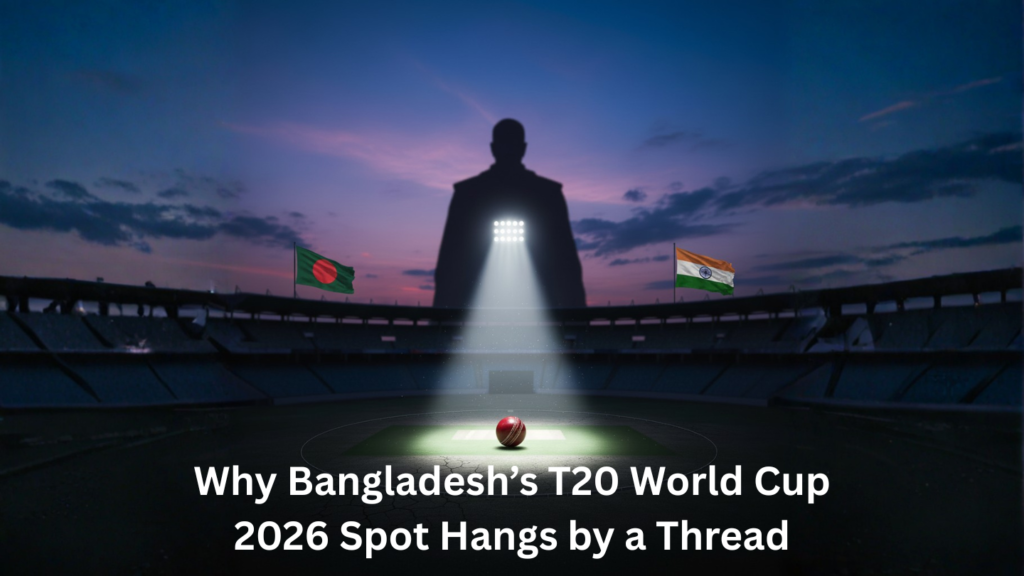
Cricket fans should be arguing about batting lineups and death-bowling strategies right now. The T20 World Cup is supposed to be a celebration—loud, colorful, and global. But as we inch closer to the 2026 tournament, the chatter isn’t about cricket at all. Instead, a dark cloud hangs over the event: the very real possibility that Bangladesh won’t show up.
They earned their ticket. The team qualified fair and square. The problem isn’t on the scorecard; it’s a messy dispute sitting right where sports collide with geopolitics.
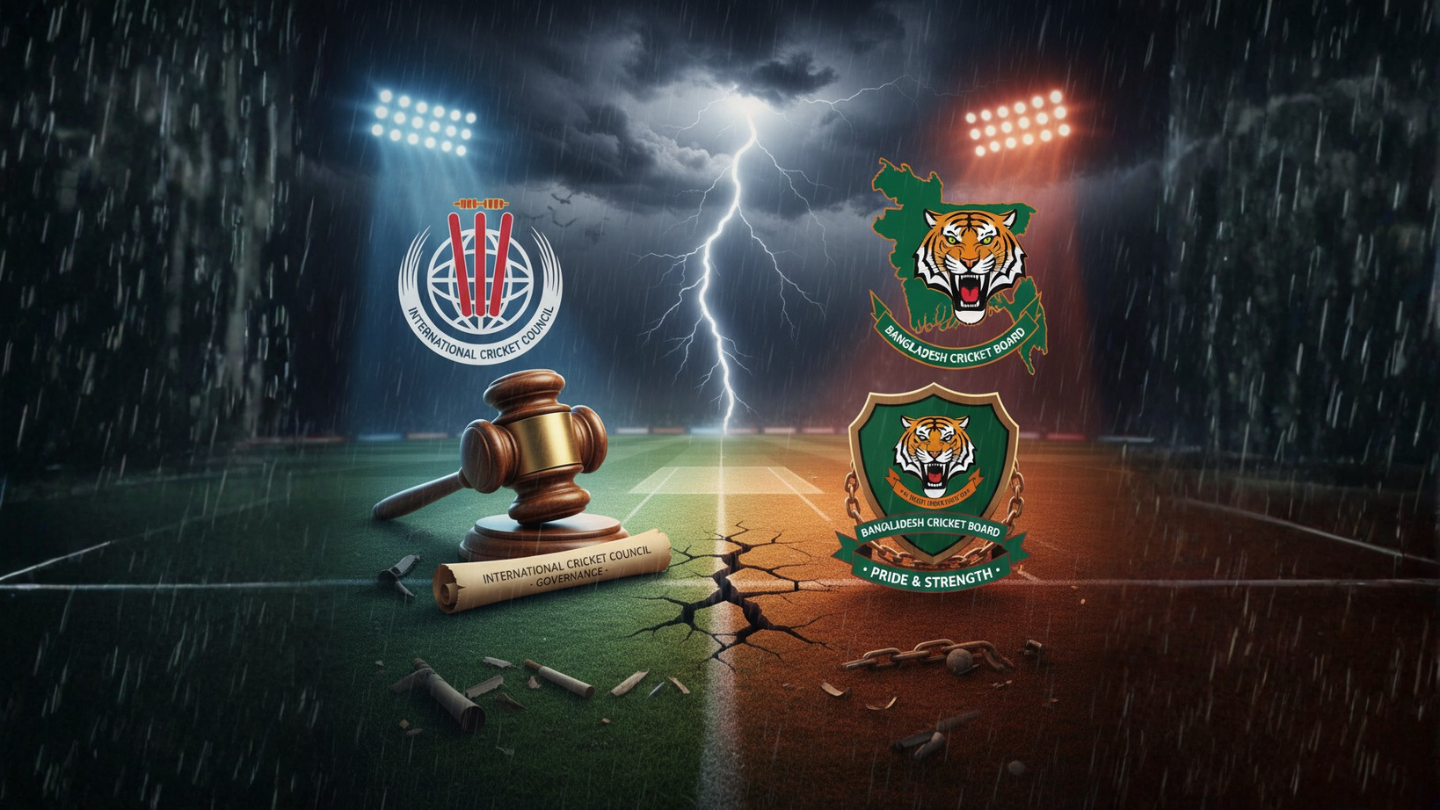
The friction point is simple but severe: Bangladesh is refusing to play its scheduled matches in India, one of the tournament’s co-hosts. The Bangladesh Cricket Board (BCB) has dug its heels in, citing safety concerns for their players. They argue that sending the squad across the border under the current climate would be reckless. While they haven’t released a dossier of specific threats to the public, their “no” has been firm and unwavering.
On the other side of the table, the International Cricket Council (ICC) isn’t blinking. They’ve reviewed the security plans, talked to local authorities, and decided the venues are safe. They have rejected requests to move the matches elsewhere. From their view, you can’t just rewrite a World Cup schedule weeks before kickoff. It would be a logistical nightmare that unravels months of work and sets a dangerous precedent for every tournament that follows.
Logically, the ICC has a point. World Cups run on precision. Broadcasters, sponsors, and traveling fans need guarantees. But cricket doesn’t happen in a vacuum, and this is where the situation gets ugly.
For the men in the jerseys, this isn’t just boardroom posturing. A World Cup is the peak of a career. For veteran players in the squad, this might be their last shot at glory; for the younger ones, it’s the stage where stars are made. Reports suggest many players are desperate to play, knowing how rare these chances are. But as usual, the athletes are stuck in the middle of an institutional fight they can’t control.
The stakes just got higher, too. The ICC has issued a stark warning: if Bangladesh doesn’t comply, they could be replaced. Scotland is already being discussed as the team waiting in the wings. It’s a brutal reminder that the machine of international cricket will keep turning, with or without you. Still, swapping out a qualified nation for non-cricketing reasons would be a massive, controversial move—one that other cricket boards will remember for a long time.
This standoff resonates because it exposes the uncomfortable power dynamics of the game. In theory, safety comes first. In practice, whose safety concerns get taken seriously often depends on how much clout you have. Smaller boards have always felt their voices are quieter than the “Big Three,” and this episode does little to disprove that feeling.
When the first ball is bowled in 2026, the show will go on. There will be sixes, wickets, and a trophy lift. But the uncertainty around Bangladesh will stick to the tournament like a shadow, reminding us that the sport’s toughest battles are increasingly fought in meeting rooms, not on the pitch.
Regardless of who walks out to the middle, this World Cup is already telling a story—and it’s about a lot more than cricket.